Featured
The 5-Second Trick For Ways When Should You Give Your Chi...
The New Laws That Will Transform Bankruptcy Availability ...
Getting The True Testimonials of Individuals Who Found Fr...

The Genuine Expense of Ignoring Financial Obligation: Exactly How Specialist Counseling Services Are Changing Financial Recuperation
Table of Contents
- – The Expanding Need for Debt Forgiveness Solutions
- – Bankruptcy Therapy: The Misunderstood Safeguard
- – Comparing Your Financial Obligation Alleviatio...
- – What Sets Nonprofit Counseling Apart
- – Indication of Aggressive Financial Debt Allevi...
- – Taking the Initial Action Toward Healing
- – The Path Onward
Financial tension has come to be a defining quality of modern-day American life. With total credit rating card debt going beyond $1.21 trillion and the typical cardholder owing even more than $6,500, countless individuals discover themselves trapped in cycles of minimum payments and intensifying passion. When charge card rates of interest float around 23%, also modest equilibriums can balloon right into frustrating problems within months.
For those sinking in financial obligation, the concern isn't whether to seek assistance-- it's locating the appropriate sort of help that won't make issues worse.
The Expanding Need for Debt Forgiveness Solutions
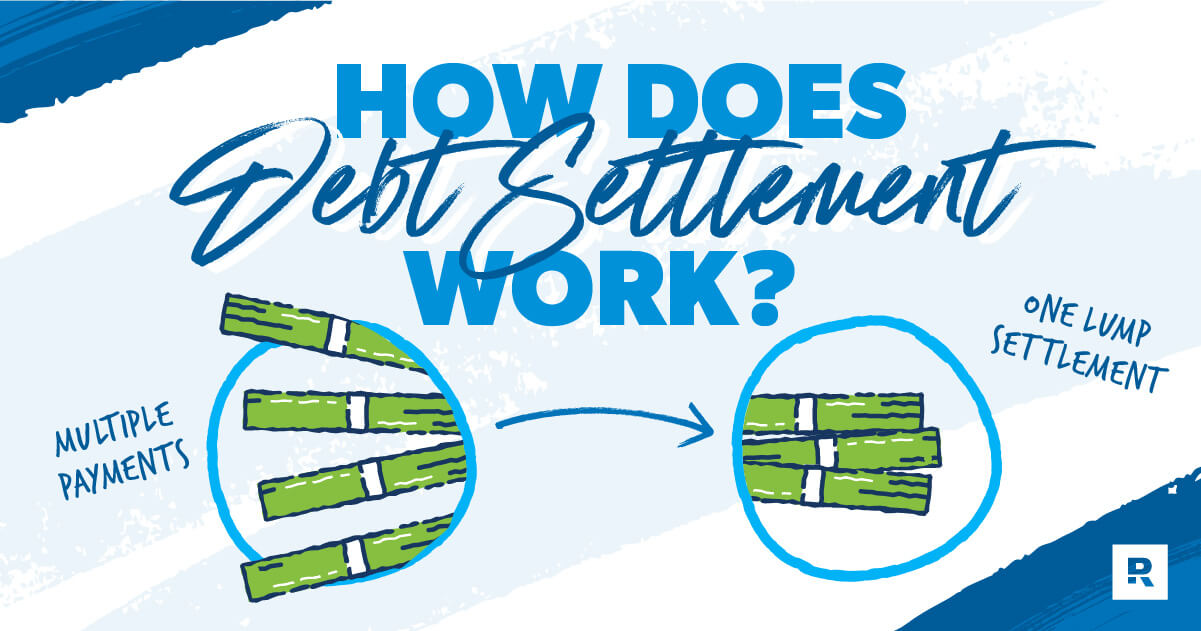
Debt forgiveness has become one of one of the most browsed economic subjects on the internet, and completely factor. The principle of clearing up financial obligations for much less than the total owed offers authentic want to people that see no sensible course to paying their equilibriums completely.
The procedure typically functions such as this: when bank card accounts go unsettled for 120 days or even more, financial institutions frequently charge off the debt. At this phase, they might accept reduced negotiations to recover at least a part of what's owed. Effective negotiations can decrease equilibriums by 30% to 50%, depending upon the creditor and your shown financial hardship.
Nonetheless, financial obligation forgiveness isn't free money. Worked out accounts show up on credit report records as "" paid less than full equilibrium,"" which impacts your score. Additionally, forgiven quantities surpassing $600 might be reported to the IRS as taxed income. Recognizing these trade-offs before pursuing negotiation is crucial.
Bankruptcy Therapy: The Misunderstood Safeguard
Bankruptcy brings significant stigma, yet it remains a legitimate lawful tool developed to give overloaded people an authentic new beginning. What several individuals don't become aware is that government law needs two therapy sessions before and after filing-- and these sessions exist specifically to guarantee you're making an educated decision.
Pre-bankruptcy credit therapy includes an extensive review of your earnings, debts, and expenses. Certified counselors existing choices you could not have actually thought about, including financial obligation monitoring programs or challenge arrangements. This isn't concerning inhibiting personal bankruptcy; it's about validating it's really your best alternative.

Post-bankruptcy borrower education and learning prepares you for economic success after discharge. You'll discover budgeting methods, saving methods, and credit score rebuilding comes close to made to avoid future financial troubles.
Organisations like APFSC offer both needed programs, with costs around $19.99 per session unless you get difficulty waivers. Their licensed therapists offer same-day certificates, and sessions generally run 60 to 90 mins. This availability matters when you're already stressed concerning finances.
Comparing Your Financial Obligation Alleviation Options
Understanding the landscape of debt alleviation assists you make notified decisions. Each method brings distinct benefits and downsides.
Financial Obligation Monitoring Programs combine multiple unprotected debts into single monthly payments. Counselors discuss with lenders to possibly decrease rates of interest without calling for brand-new financings. The majority of clients total these programs within 3 to 5 years. The primary advantage is paying debts completely while minimizing total passion paid.
Debt Negotiation works out minimized reward quantities, typically 30% to 50% much less than owed. This technique needs stopping repayments to creditors while collecting negotiation funds, which harms credit history throughout the process. Outcomes differ based upon lender determination and your shown challenge.
Insolvency offers court security while eliminating or reorganizing financial obligations. Phase 7 liquidates certain possessions to discharge unsecured financial obligations rapidly. Phase 13 develops three-to-five-year repayment prepare for those with normal earnings. Insolvency remains on credit score records for seven to ten years yet uses one of the most extensive new beginning.
Credit rating Therapy provides education and assistance without necessarily enlisting in official programs. Qualified counselors review your full economic image and suggest appropriate following steps, which could include any of the above alternatives.
What Sets Nonprofit Counseling Apart
The distinction between nonprofit and for-profit financial obligation alleviation business matters tremendously. Nonprofit companies like those licensed by the National Foundation for Credit Counseling (NFCC) run under strict moral guidelines and cost regulations. Their therapists undergo rigorous accreditation and needs to recertify every 2 years.
For-profit debt negotiation companies, conversely, may charge costs ranging from 15% to 25% of signed up financial obligation equilibriums. Some utilize aggressive sales techniques and make unrealistic assurances about results. The Consumer Financial Protection Bureau has documented countless issues about predacious methods in this sector.
APFSC operates as a not-for-profit therapy firm, providing cost-free financial debt monitoring appointments and managed fees for continuous solutions. Their HUD-approved housing therapists add worth for those dealing with repossession alongside basic financial obligation issues. Solutions are available in English, Spanish, and Portuguese, broadening ease of access to underserved neighborhoods.
Study supports the performance of not-for-profit therapy. A study appointed by the NFCC found that debt counseling clients reduced rotating debt by $3,600 even more than contrast groups throughout the 18 months following their sessions. Virtually 70% of participants reported better finance and greater economic confidence.
Indication of Aggressive Financial Debt Alleviation Solutions
Not all financial debt alleviation companies have your benefits in mind. Identifying red flags shields you from making a tight spot worse.
Beware of business that guarantee certain results. No legit service can assure exact settlement portions or timeline guarantees because end results rely on individual financial institutions and situations.
Prevent any business requiring large upfront fees before supplying solutions. Legit nonprofit therapy provides cost-free first consultations, and for-profit negotiation business are lawfully banned from accumulating fees till they efficiently clear up a minimum of one debt.
Concern anyone suggesting you to quit interacting with lenders completely without explaining the consequences. While calculated interaction stops briefly occasionally sustain arrangements, full avoidance can lead to suits, wage garnishment, and additional damage.
Reputable agencies describe all alternatives honestly, consisting of choices that could not involve their paid services. If a firm presses just one service no matter your circumstance, seek guidance in other places.
Taking the Initial Action Toward Healing
Financial recovery begins with straightforward assessment. Gather your most current statements for all financial obligations, determine your complete obligations, and review your practical monthly repayment ability. This info develops the structure for any efficient counseling session.
Take into consideration scheduling free examinations with numerous not-for-profit firms prior to devoting to any program. Compare their suggestions, fee frameworks, and interaction designs. The best counseling partnership need to feel supportive rather than pressuring.
Organisations like APFSC offer on the internet conversation, phone consultations, and thorough consumption procedures developed to understand your distinct situation prior to recommending services. Their debt monitoring calculator assists you imagine potential timelines and cost savings before registering.
The Path Onward
Frustrating financial debt does not define your future-- yet overlooking it will. Whether financial debt forgiveness, bankruptcy therapy, or structured debt administration makes good sense for your scenario depends on aspects unique to your conditions.
Professional guidance from certified nonprofit counselors lights up alternatives you may never ever uncover individually. These solutions exist especially to assist individuals like you navigate complex economic challenges without predative costs or unrealistic promises.
The average American having problem with financial obligation waits far as well long prior to looking for aid, allowing rate of interest to substance and choices to narrow. Every month of delay costs money and expands your recuperation timeline.
The 12 Most Common Myths About Debt Relief—Busted by Real Counselors : APFSCYour very first conversation with a qualified therapist prices nothing however might transform whatever. Financial flexibility isn't scheduled for the lucky-- it's readily available to anyone happy to take that first action towards comprehending their choices and dedicating to a reasonable strategy.

Table of Contents
- – The Expanding Need for Debt Forgiveness Solutions
- – Bankruptcy Therapy: The Misunderstood Safeguard
- – Comparing Your Financial Obligation Alleviatio...
- – What Sets Nonprofit Counseling Apart
- – Indication of Aggressive Financial Debt Allevi...
- – Taking the Initial Action Toward Healing
- – The Path Onward
Latest Posts
The 5-Second Trick For Ways When Should You Give Your Child a Debit Card? The Complete Parent's Guide to Teaching Financial Responsibility : APFSC Preserves Your Home
The New Laws That Will Transform Bankruptcy Availability Ideas
Getting The True Testimonials of Individuals Who Found Freedom To Work
More
Latest Posts
The New Laws That Will Transform Bankruptcy Availability Ideas
Getting The True Testimonials of Individuals Who Found Freedom To Work